Men's Health & Integrative Medicine
The Hormone Conversation Men Aren't Having
Your husband isn't lazy. His hormones might be crashing.
Picture this: he used to be motivated, easygoing, present. Now he's irritable, exhausted, checked out, and every explanation you've tried doesn't quite fit. Stress. Work. Getting older. None of it lands.
There's another explanation almost nobody brings up: andropause.
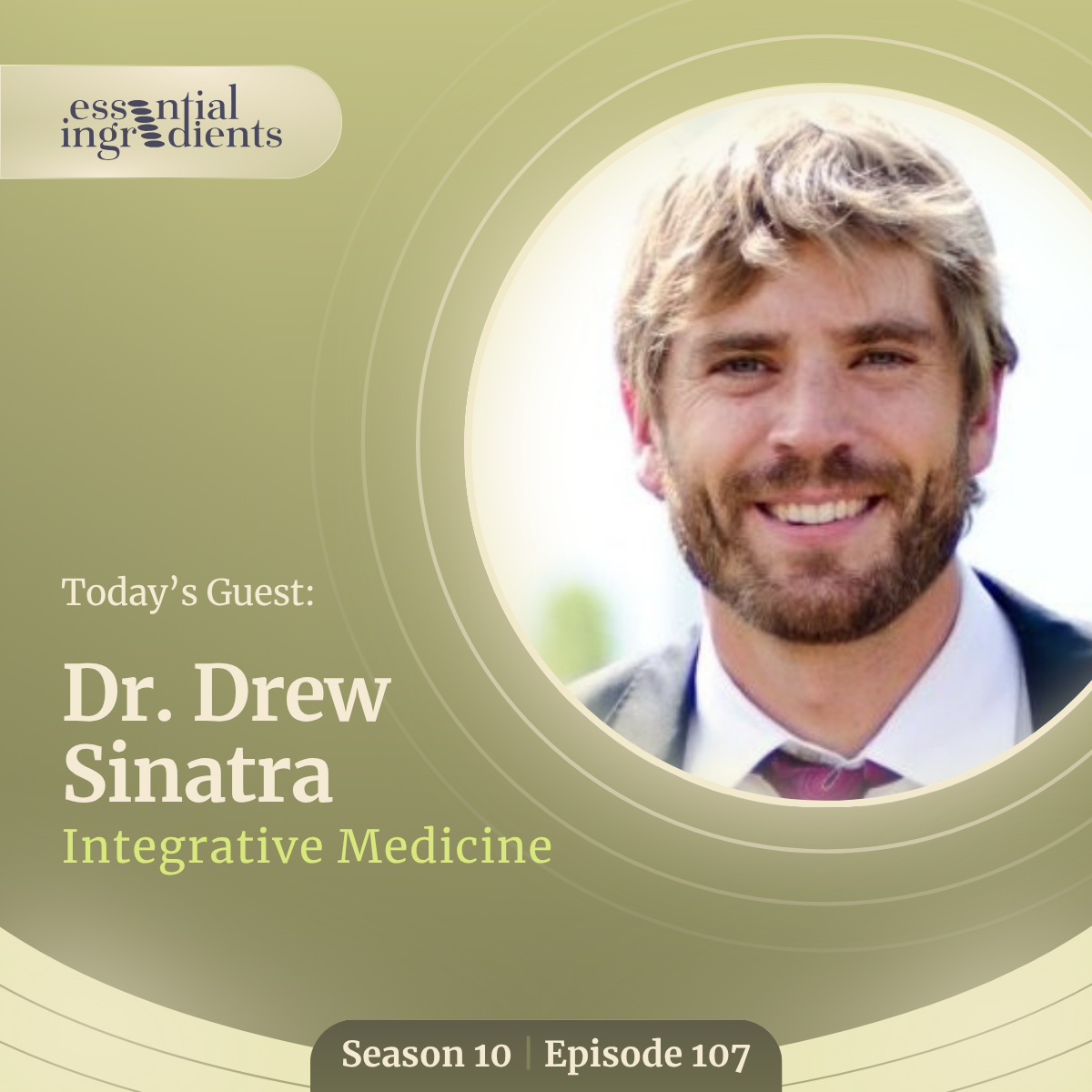
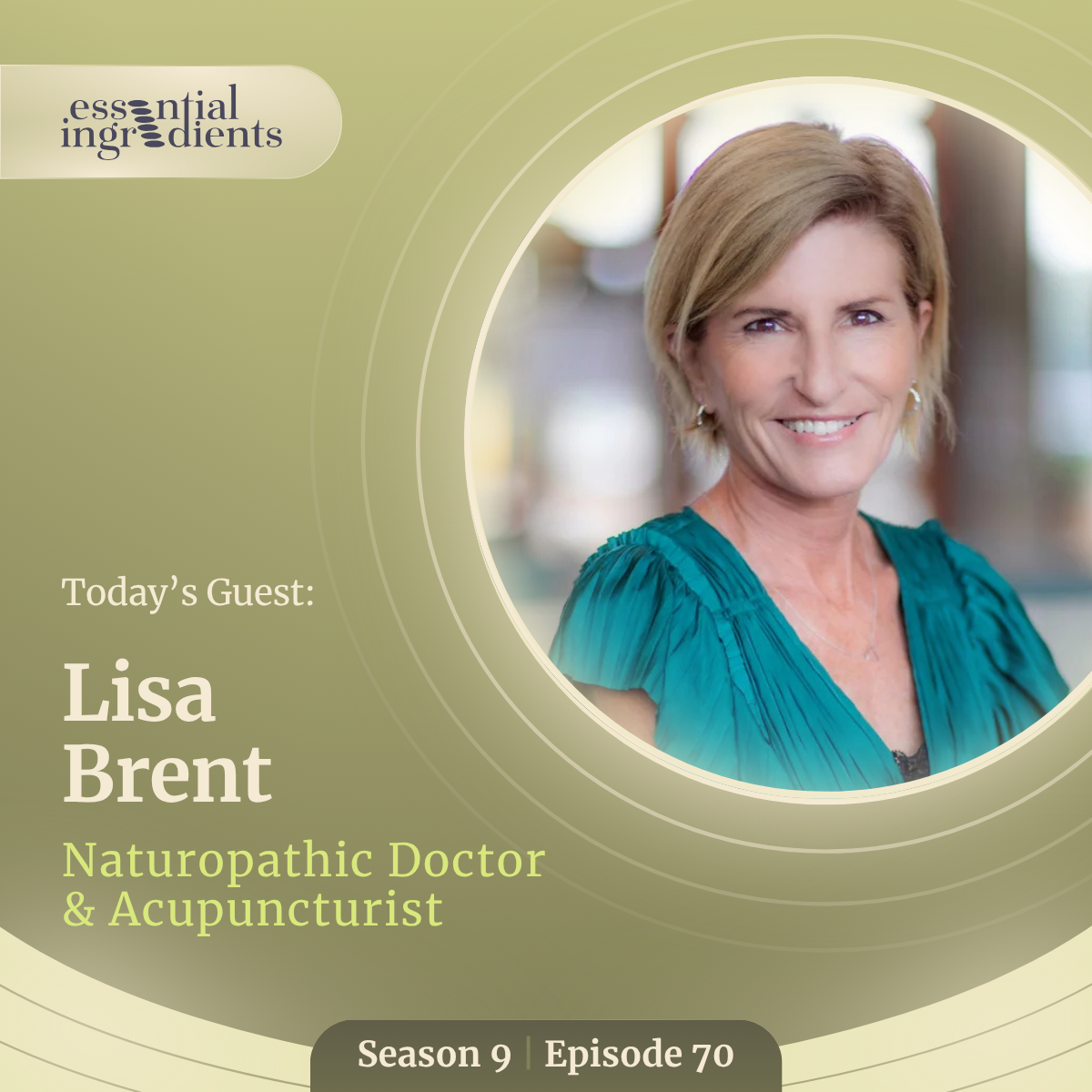
In this episode, naturopathic doctor Drew Sinatra joins Justine Reichman and Dr. Lisa Brent to talk about what happens when male testosterone quietly declines — and why it almost never gets named, diagnosed, or treated until years after symptoms start.
Here's what makes this tricky: testosterone starts dropping in a man's 30s, but symptoms don't usually show up until his 50s or 60s. By then, the signs — fatigue, mood swings, brain fog, low libido — have usually been chalked up to stress or aging. Worse, Drew says, many men get diagnosed with depression and put on antidepressants when the real issue is hormonal.
He walks through what an actual workup looks like: full hormone panels, thyroid and anemia checks, prostate screening before testosterone therapy even starts, and ongoing labs to track hematocrit, estradiol, and PSA once treatment begins. It's not a quick fix — it's a process, and a careful one.
But the conversation goes beyond bloodwork. Drew is candid that testosterone alone won't solve depression or isolation. Sleep, exercise, and — something he pushes hard for — joining a men's group, matter just as much. He talks openly about the male suicide rate peaking in midlife, and how stigma keeps men from asking for help until things get serious.
The real message here isn't "go get testosterone." It's: stop assuming feeling worse is just what happens after 50. Get curious. Get tested. Start the conversation — even if it's uncomfortable.
If someone in your life has been quietly fading, this might be the episode that changes the trajectory.
Listen Now →